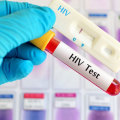
Health awareness days serve as pivotal moments in our calendar, dedicated to shining a spotlight on various health issues that affect individuals and communities alike. These designated days are not merely symbolic; they are powerful tools designed to educate the public, promote preventive measures, and encourage individuals to take charge of their health. By focusing on specific health topics, these campaigns aim to foster a deeper understanding of conditions ranging from chronic diseases to mental health challenges, ultimately driving a collective effort towards better health outcomes.The significance of health awareness days extends beyond mere recognition; they play a crucial role in mobilizing resources and support for research, treatment, and advocacy. For instance, campaigns centered around breast cancer awareness have successfully increased screening rates and funding for research initiatives.
Similarly, mental health awareness days have contributed to reducing stigma and promoting access to mental health services. These events create a sense of urgency and community involvement, encouraging individuals to engage in conversations about their health and well-being.Moreover, the impact of these campaigns can be amplified through strategic partnerships with healthcare organizations, non-profits, and community leaders. By leveraging social media platforms and traditional media outlets, health awareness days can reach wider audiences, ensuring that critical information is disseminated effectively. This multi-faceted approach not only raises awareness but also empowers individuals with the knowledge they need to make informed decisions about their health.As we delve deeper into the effectiveness of these campaigns, it becomes essential to evaluate their outcomes critically.
Are they achieving their intended goals? Are they fostering lasting changes in public behavior? Understanding the dynamics of health awareness days will provide valuable insights into how we can enhance their impact and ensure that they contribute meaningfully to public health initiatives.
The Role of Health Awareness Days in Public Health
Health awareness days play a pivotal role in shaping public health initiatives by fostering community engagement and promoting education on critical health issues. These designated days serve as a platform for raising awareness, encouraging preventive measures, and mobilizing resources to address various health challenges.One of the primary functions of health awareness days is to facilitate community engagement. By organizing events such as health fairs, workshops, and informational sessions, communities can come together to learn about specific health topics. For instance, during World Health Day, local organizations often host activities that not only educate the public but also provide free screenings and resources.This direct interaction helps to demystify health issues and empowers individuals to take charge of their well-being.Moreover, these awareness days can significantly enhance public health initiatives by aligning them with broader campaigns. For example, the National Diabetes Month encourages communities to focus on diabetes prevention and management through various outreach programs. Schools, workplaces, and healthcare providers collaborate to disseminate information about healthy lifestyles, thereby creating a supportive environment for individuals at risk.Successful examples of health awareness days illustrate their impact on public health outcomes. The American Heart Association's Heart Month has led to increased screenings for cardiovascular diseases and a rise in community-based exercise programs.
Similarly, campaigns like Breast Cancer Awareness Month have resulted in higher mammography rates and improved early detection among women. These initiatives not only raise awareness but also translate into tangible health benefits.In addition to education and engagement, health awareness days often serve as a catalyst for policy change. When communities rally around a specific health issue, they can influence local governments to allocate resources or implement new policies aimed at improving public health. For instance, campaigns focused on mental health awareness have prompted discussions about funding for mental health services and the importance of integrating mental wellness into overall healthcare strategies.In conclusion, the role of health awareness days extends far beyond mere observance; they are essential tools for enhancing public health initiatives through community engagement, education, and advocacy.
By harnessing the collective power of these events, we can create healthier communities and foster a culture of proactive health management.
Evaluating the Effectiveness of Health Awareness Campaigns
Evaluating the effectiveness of health awareness campaigns is crucial for understanding their impact on public health and behavior. To assess these campaigns, several criteria can be employed, focusing on both qualitative and quantitative measures.1.Clear Objectives:
A successful health awareness campaign should have well-defined objectives. These objectives should be specific, measurable, achievable, relevant, and time-bound (SMART). For instance, a campaign aimed at reducing smoking rates should specify the target percentage reduction within a defined timeframe.
2.Target Audience Engagement:
Understanding the target audience is essential.
Campaigns that effectively engage their audience through tailored messaging and appropriate channels tend to yield better results. Research indicates that campaigns utilizing social media platforms can reach younger demographics more effectively than traditional media.
3.Behavioral Change Metrics:
One of the primary goals of health awareness campaigns is to induce behavioral change. Evaluating changes in behavior—such as increased screenings for diseases or improved dietary habits—can provide insight into a campaign's effectiveness. Studies have shown that campaigns promoting regular exercise can lead to a measurable increase in physical activity among participants.
4.Health Outcomes:
Ultimately, the impact of health awareness campaigns should be reflected in improved health outcomes.
This can include reductions in disease incidence, lower hospitalization rates, or enhanced quality of life metrics. For example, research has demonstrated that breast cancer awareness campaigns have led to earlier detection rates and improved survival outcomes.
5.Longitudinal Studies:
To truly understand the lasting effects of health awareness campaigns, longitudinal studies are invaluable. These studies track participants over time to assess whether behavioral changes are sustained and if health outcomes continue to improve.
6.Feedback Mechanisms:
Incorporating feedback from participants can enhance future campaigns. Surveys and focus groups can provide insights into what aspects of a campaign resonated with the audience and what could be improved.In conclusion, evaluating the effectiveness of health awareness campaigns requires a multifaceted approach that considers objectives, audience engagement, behavioral changes, health outcomes, and ongoing feedback.
By applying these criteria and leveraging existing research studies, stakeholders can better understand how to design impactful health awareness initiatives that truly benefit public health.
Challenges and Criticisms of Health Awareness Days
While health awareness days serve as a platform to highlight critical health issues, they are not without their challenges and criticisms. One of the primary concerns is the limited reach of these campaigns. Many awareness days primarily engage individuals who are already informed about the health issue at hand, leaving out those who may benefit most from the information. This often results in a preaching to the choir effect, where the same audience is repeatedly targeted without effectively reaching new demographics.Another significant challenge is the sustainability of awareness efforts.Health awareness days typically generate a spike in interest and media coverage, but this attention can be fleeting. Once the day has passed, many organizations struggle to maintain momentum and continue engaging the public on these important topics. This lack of ongoing dialogue can lead to a decline in public interest and understanding over time.Moreover, there are concerns regarding the alignment with scientific research. Many campaigns may oversimplify complex health issues or present information that lacks a solid evidence base.
This can lead to misinformation or misinterpretation of health risks and preventive measures. For instance, while raising awareness about a condition like diabetes is crucial, it is equally important to provide accurate information about its management and prevention based on current research.Additionally, some critics argue that health awareness days can inadvertently promote a sense of complacency among the public. The idea that simply participating in an awareness event or sharing a post on social media constitutes meaningful action can diminish the urgency needed to address serious health issues. This phenomenon raises questions about whether these days truly foster behavioral change or merely serve as a form of performative activism.In conclusion, while health awareness days play an essential role in promoting public health issues, it is crucial to address their limitations.
By focusing on expanding reach, ensuring sustainability, aligning with scientific evidence, and fostering genuine engagement, we can enhance the effectiveness of these initiatives and ultimately improve health outcomes for all.
Best Practices for Organizing Effective Health Awareness Days
Organizing a successful health awareness day requires careful planning and execution to ensure that the event not only raises awareness but also drives meaningful change. Here are some best practices to consider when planning your health awareness campaign:- Define Clear Objectives: Before launching your campaign, it’s crucial to establish specific, measurable goals. Are you aiming to educate the public about a particular health issue, encourage screenings, or promote healthy behaviors? Clear objectives will guide your strategy and help measure success.
- Engage Stakeholders: Collaborate with local health organizations, community leaders, and healthcare professionals. Their expertise and networks can enhance the credibility of your campaign and broaden its reach.
Consider forming a planning committee that includes diverse voices from the community.
- Utilize Multiple Channels: To maximize impact, employ a variety of communication channels. Use social media platforms, local newspapers, radio stations, and community bulletin boards to disseminate information. Tailor your message for each platform to engage different audiences effectively.
- Create Compelling Content: Develop informative and engaging materials that resonate with your target audience. This could include brochures, infographics, videos, or interactive workshops.
Ensure that the content is accessible and culturally relevant to foster inclusivity.
- Leverage Technology: Consider using digital tools such as webinars or live streams to reach a wider audience. Online platforms can facilitate discussions and Q&A sessions with health experts, making the information more interactive and engaging.
- Measure Impact: After the event, evaluate its effectiveness by collecting feedback through surveys or interviews. Analyze data on attendance, engagement levels, and any changes in health behaviors or knowledge among participants. This information will be invaluable for future campaigns.
- Follow Up: Maintain momentum by providing ongoing resources and support after the awareness day.
Share success stories, additional educational materials, or information about local health services to keep the conversation going and encourage sustained engagement.
Case Studies: Successful Health Awareness Days in Action
Health awareness days have proven to be powerful tools for mobilizing communities and driving change. By examining successful case studies, we can glean insights into what makes these campaigns effective and how they can be improved in the future.1.World AIDS Day
Established in 1988, World AIDS Day is one of the most recognized health awareness days globally. The campaign's effectiveness lies in its ability to unite individuals, organizations, and governments in a common cause.Each year, the day focuses on a specific theme, which helps to direct attention to particular aspects of HIV/AIDS prevention and treatment.
- Community Engagement: Local events, such as candlelight vigils and educational workshops, foster community involvement and support for those affected by HIV/AIDS.
- Media Coverage: The day garners significant media attention, which amplifies the message and encourages public discourse about the disease.
- Partnerships: Collaborations with healthcare providers and NGOs enhance resource availability and outreach efforts.
2.Breast Cancer Awareness Month
Every October, Breast Cancer Awareness Month mobilizes millions to raise awareness about breast cancer. This campaign has successfully increased screening rates and funding for research through various strategies:- Iconic Symbols: The pink ribbon has become a universal symbol of breast cancer awareness, making it easy for individuals to show their support.
- Educational Initiatives: Organizations provide resources on self-exams and mammograms, empowering women with knowledge about early detection.
- Fundraising Events: Activities like walks and runs not only raise funds but also create a sense of community among participants.
3.World Mental Health Day
World Mental Health Day, observed on October 10th, aims to raise awareness about mental health issues worldwide. Its success can be attributed to:- Thematic Focus: Each year features a specific theme that addresses pressing mental health concerns, making the campaign relevant and timely.
- Social Media Campaigns: Engaging hashtags and challenges encourage individuals to share their stories, reducing stigma around mental health.
- Global Participation: Events are held worldwide, fostering a sense of solidarity and shared purpose across cultures.
The Future of Health Awareness Days: Trends and Innovations
As we look to the future of health awareness days, it is essential to recognize the transformative impact of technology and social media on public health campaigns.These platforms are not only reshaping how information is disseminated but also how communities engage with health issues.
Emerging Trends in Public Health
- Personalization: Future campaigns are likely to focus on personalized health messages that resonate with individual experiences. By utilizing data analytics, organizations can tailor their outreach efforts to specific demographics, ensuring that the information is relevant and impactful.
- Virtual Reality (VR) and Augmented Reality (AR): The integration of VR and AR technologies can create immersive experiences that educate individuals about health issues in engaging ways. For instance, a campaign on diabetes could use AR to simulate the effects of high blood sugar levels on the body, making the information more tangible.
- Gamification: Incorporating game-like elements into health awareness campaigns can enhance engagement. By turning educational content into interactive challenges or competitions, organizations can motivate individuals to learn more about their health while having fun.
Innovations in Campaign Strategies
The rise of social media influencers presents a unique opportunity for health awareness days.
Collaborating with trusted figures can amplify messages and reach wider audiences. Influencers can share personal stories related to specific health issues, making the campaigns more relatable and encouraging followers to participate actively.Moreover, live streaming events and webinars can facilitate real-time discussions about pressing health topics. These formats allow for immediate interaction between experts and the public, fostering a sense of community and shared learning.As we embrace these innovations, it is crucial for organizations to maintain a clear focus on their objectives. By aligning new strategies with established research on effective health promotion, we can ensure that future health awareness days not only raise awareness but also drive meaningful change in public health outcomes.
Frequently Asked Questions about Health Awareness Days
Health awareness days serve as a vital platform for educating the public about various health issues, yet many people have questions and misconceptions surrounding their purpose and effectiveness.Below are some frequently asked questions that can help clarify these points.
What is the primary goal of health awareness days?
The main objective of health awareness days is to raise awareness about specific health issues, promote preventive measures, and encourage individuals to seek medical advice or treatment when necessary. These days often focus on diseases or conditions that may not receive adequate attention throughout the year.How are health awareness days determined?
Health awareness days are typically established by health organizations, non-profits, or government agencies. They may be based on statistical data indicating a need for increased public knowledge about a particular health issue. For example, the World Health Organization (WHO) designates certain days to highlight global health challenges.Are all health awareness days equally effective?
No, the effectiveness of health awareness days can vary significantly.Some campaigns successfully engage the public and lead to increased screening or preventive behaviors, while others may not achieve their intended impact. Factors such as message clarity , target audience , and media coverage play crucial roles in determining success.
What are common misconceptions about health awareness days?
- They are just marketing gimmicks: While some may view them as promotional tools, many health awareness days aim to provide genuine education and support for affected individuals.
- They only benefit organizations: In reality, these initiatives can empower individuals with knowledge that leads to better health outcomes.
- Participation is not important: Engaging in activities related to these days can foster community support and encourage discussions about critical health issues.
How can individuals get involved?
Individuals can participate in health awareness days by attending local events, sharing information on social media, or volunteering with organizations that focus on specific health issues. Spreading the word helps amplify the message and encourages others to take action regarding their health.In summary, understanding the purpose and impact of health awareness days can enhance their effectiveness and encourage broader community involvement in addressing significant health challenges.Conclusion: The Lasting Impact of Health Awareness Days on Society
In conclusion, health awareness days serve as a vital mechanism for promoting public health and fostering community engagement. These designated days not only shine a spotlight on critical health issues but also mobilize resources and support for those affected.By raising awareness, they encourage individuals to take proactive steps towards their health and well-being.Throughout this discussion, we have explored the multifaceted role of health awareness days. They act as catalysts for change, driving conversations around topics that may otherwise remain in the shadows. For instance, campaigns focused on mental health have significantly reduced stigma, encouraging individuals to seek help and support. This shift in societal attitudes is a testament to the power of collective awareness.Moreover, the impact of these awareness days extends beyond mere recognition.
They often lead to increased funding for research and healthcare initiatives, which can result in improved treatment options and better outcomes for patients. The National Cancer Institute's guidelines on effective health communication highlight the importance of setting clear objectives and measuring outcomes, ensuring that these campaigns are not just symbolic but also impactful.However, it is crucial to recognize that the effectiveness of health awareness days hinges on strategic planning and execution. Organizations must define their goals clearly and align their messaging with evidence-based practices. This approach not only enhances the credibility of the campaigns but also maximizes their reach and influence.As we move forward, it is essential to continue evaluating the effectiveness of these initiatives.
By analyzing data on public engagement and health outcomes, we can refine our strategies to ensure that health awareness days remain relevant and impactful. In doing so, we can foster a culture of health literacy that empowers individuals to make informed decisions about their health.Ultimately, the lasting impact of health awareness days lies in their ability to inspire action and promote a healthier society. By harnessing the collective power of communities, we can address pressing health challenges and pave the way for a brighter future.